
Backrooms Level 6 Guide: Lights Out, Entities & Exits
Backrooms Level 6 is commonly called Lights Out in the directly checked Backrooms Wiki source. The useful answer is not a universal walkthrough: the environment, entities, entrances, and exits depend on the canon, game, video, or fan branch being described. This guide starts with the source name, explains how to read a dark level without inventing rules, and separates lore context from Escape the Backrooms gameplay.
What is Backrooms Level 6?
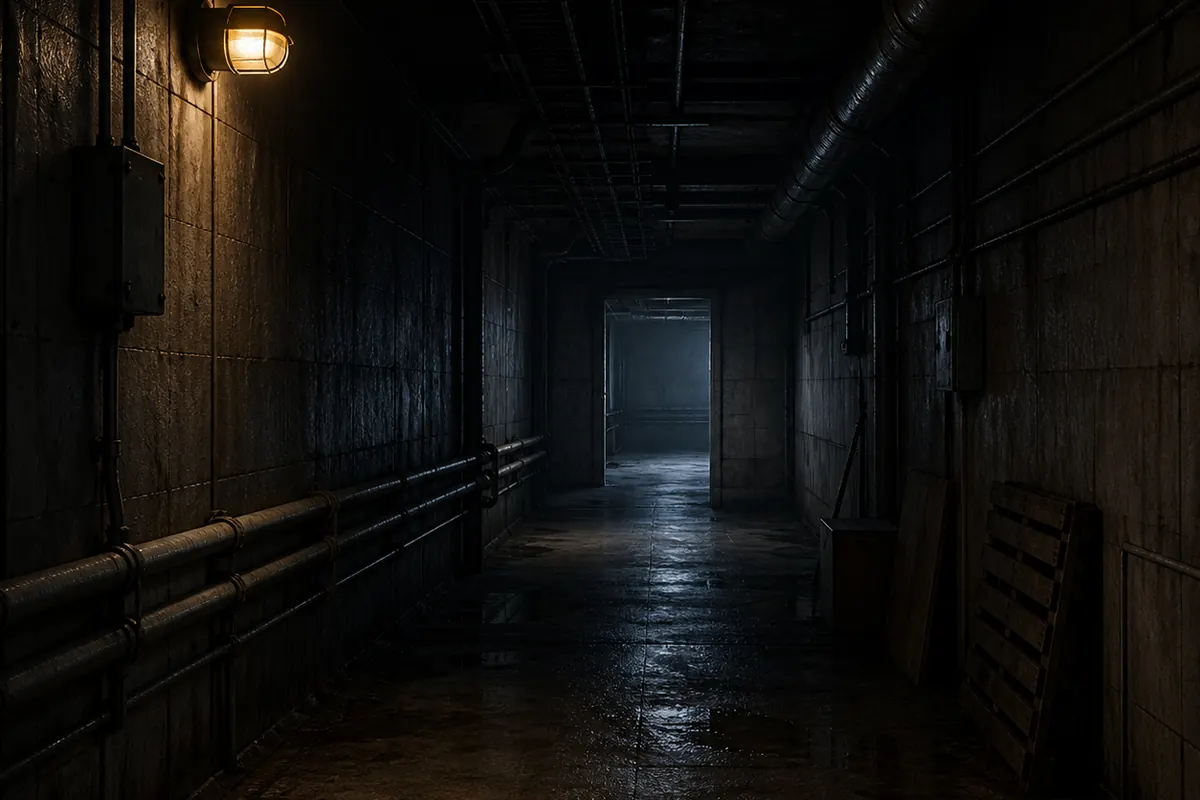
Backrooms Level 6 is a dark level usually identified as Lights Out by the checked Backrooms Wiki page. Unlike a brightly recognizable space, its identity comes from restricted visibility, repeated service architecture, and the pressure of making decisions without a dependable horizon. The name is a useful source label, not proof that every Backrooms canon uses the same floor plan.
Search results for Backrooms Level 6 mix at least three tasks. A lore reader may want the environment, entities, and entrances. A game player may want to beat Level 6 in Escape the Backrooms or choose a door in a particular build. A video viewer may be following a creator's continuity. These answers should stay separate because a game objective is not automatically a lore rule.
The practical conclusion is simple: identify the version first, then preserve information. In lore, keep the claim tied to the named source. In a game, record the title and current build before following a route. In either case, use light sources, fixed landmarks, and a fallback direction instead of trusting a vague memory that another dark corridor behaved the same way.
| Question | Short answer | What can change |
|---|---|---|
| What is Level 6 called? | Lights Out in the checked Backrooms Wiki source. | A game, video, or fan branch may use another name. |
| What does it look like? | A dark, service-like environment where landmarks are difficult to read. | Room order, lighting, scale, and objectives vary by source. |
| Is there one universal map? | No universal map should be assumed. | A game may provide a fixed route or puzzle layout. |
| Are entities guaranteed? | Only when the named source establishes them. | Names and behavior can change across lore and adaptations. |
How to recognize the Lights Out environment
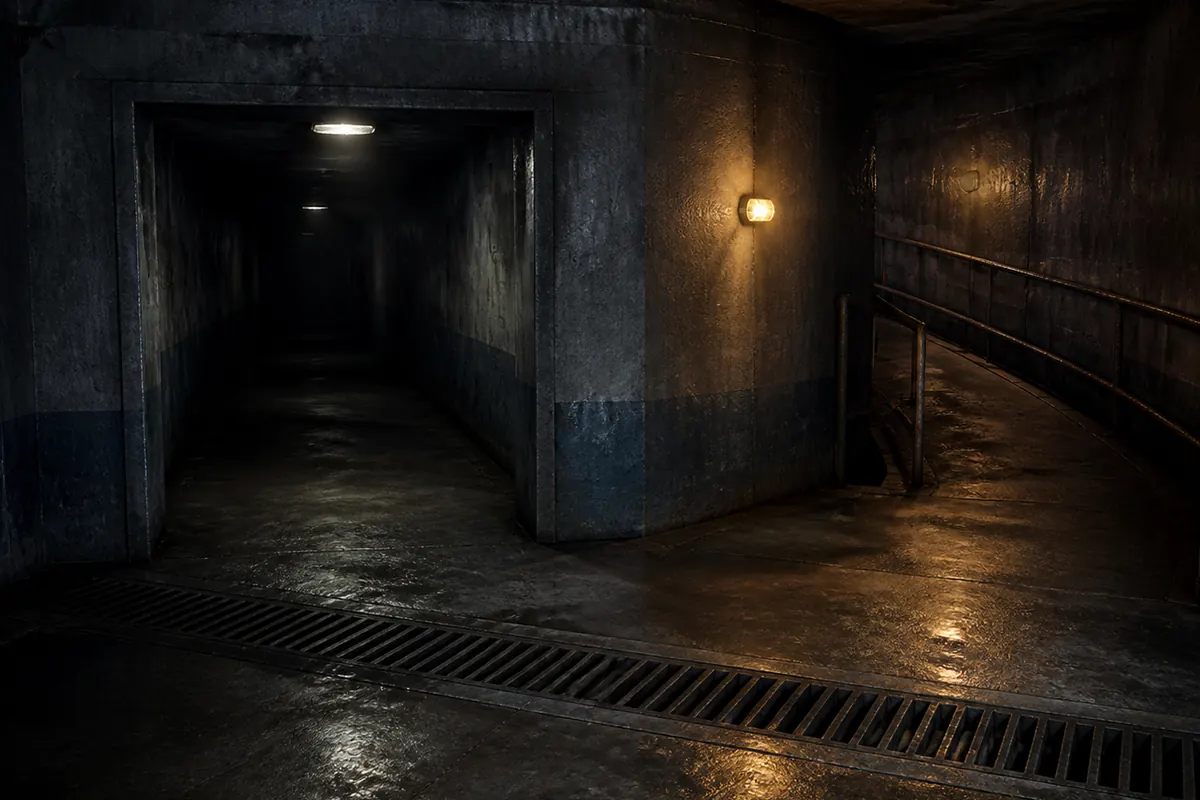
The strongest Level 6 cue is not a single monster or a special door. It is the combination of darkness, repeated construction, and weak orientation. Concrete walls, maintenance passages, pipes, floor drains, ceiling fixtures, utility doors, and isolated emergency lights can form a readable pattern, but the pattern is easy to lose when several spaces share the same shape.
A useful landmark note describes relationships rather than atmosphere. Instead of writing only long corridor, record a lit fixture on the left, a drain crossing the floor, a handrail turning around the junction, and the doorway that returns to the previous room. Those details can be checked again. A feeling that the room looked familiar cannot.
The same method works for a player screenshot or a lore description. Label what is directly visible, label what the source claims, and keep interpretation in a separate sentence. This prevents a generated concept image, a fan map, or a game screenshot from being mistaken for proof of a universal Backrooms Level 6 layout.
- Describe a landmark by shape, position, color, and what it connects to.
- Keep one route note for the way back before entering a similar-looking branch.
- Use lighting and sound as clues, not as guaranteed signals across every version.
- In co-op play, say the landmark first, then the direction and next action.
- Record whether the detail comes from Wikidot lore, a game, a video, or a fan branch.
Entities, darkness, and Level 6 survival decisions
Backrooms Level 6 entities are a high-risk keyword because lists are often copied between levels. A page may attach an entity to Lights Out, while a game may use a different threat roster or replace the threat with a puzzle. The safe editorial rule is to name the source before naming the creature and to avoid presenting a behavior as universal when the source does not establish it.
Darkness creates hazards even when no entity appears. It can hide a return door, flatten distance, make a sound seem closer than it is, and turn a repeated wall into a false landmark. In a playable version, low visibility may be a deliberate mechanic. In lore, it may be an atmosphere detail. The same word does not guarantee the same action.
When a threat is reported, use a calm order: create distance, keep a known landmark in sight, check the source, and then decide whether the right response is moving, hiding, waiting, or following an objective. Do not turn this general reading order into a promise that every game rewards the same tactic. Current game instructions always outrank a lore summary for game mechanics.
| Signal | Practical response | Boundary |
|---|---|---|
| Visibility drops suddenly | Stop, keep a landmark behind you, and avoid an unmarked sprint. | The cause may be a game mechanic or a source-specific event. |
| A repeated room or corridor | Use a short landmark note and check the return direction. | A fixed map only applies to the named version. |
| An entity claim without a source | Treat the behavior as unverified until the page, game, or video is named. | Do not merge every entity roster into one canon. |
| A sound or distant light | Use it as a clue while preserving a fallback route. | Audio and light rules can be scripted or interpreted differently. |
Backrooms Level 6 entrances and exits
The question how to escape Backrooms Level 6 sounds like it should have one answer, but the source decides what an exit means. The checked community page separates entrances and exits from its description. A game may replace those transitions with a door, puzzle, checkpoint, scripted chase, or progression flag. A video continuity may use a completely different rule.
Before following an exit claim, label it as confirmed, conditional, rumored, or game-specific. Record the page title, the game platform or build when relevant, and the date you checked it. This is more reliable than copying a short route from a post that silently mixes Lights Out lore with a particular Escape the Backrooms chapter.
If a door looks like progress, do not let the label do the thinking. Check the surrounding landmark, preserve the readable path behind you, and match the advice to the source. That method serves informational search intent without pretending that one community map controls every Backrooms Level 6 interpretation.
- Name the wiki, game, video, or fan branch behind the entrance or exit claim.
- Separate a lore transition from a door, puzzle, checkpoint, or scripted objective.
- Keep the wording conditional when the source is uncertain or being revised.
- Preserve the previous landmark and one fallback route before testing a transition.
Backrooms Level 6 lore vs Escape the Backrooms gameplay
The phrase Escape the Backrooms Level 6 has a narrower job than the phrase Backrooms Level 6. The first usually asks what a player should do in a particular game. The second can ask about a community level, a video, an image, or a general explanation. A useful page acknowledges both without turning a game route into a universal lore answer.
For game questions, verify the title and build, then follow the current objective wording. A door choice, item requirement, enemy trigger, or checkpoint can change after an update. For lore questions, start with the source page and keep its limits visible. The checked Backrooms Wiki page itself is marked as outdated, so its details should be treated as source context rather than a timeless rulebook.
This boundary is also why a separate Level 6 page belongs beside, not inside, the general Escape the Backrooms guide. The game guide covers co-op habits and route discipline. This page explains the Lights Out search cluster, then tells a player when to switch to current game-specific instructions.
| Search or source | Best use | Do not assume |
|---|---|---|
| Backrooms Level 6 | Lights Out recognition, source context, hazards, and transitions. | That every wiki, video, or game uses the same map. |
| Escape the Backrooms Level 6 | The current game's objective sequence and co-op decisions. | That lore exits or entity behavior match the game. |
| Backrooms Levels hub | Choosing a level and comparing broad fields. | Detailed Level 6 route decisions. |
| Backrooms Entities guide | Recognizing and qualifying entity claims. | That a general entity list belongs to Level 6. |
How to verify a Backrooms Level 6 claim
Start with the source title, not only the number. The directly checked Backrooms Wiki page identifies Level 6 as Lights Out and separates description, communities, entrances, exits, and archived material. That structure helps a reader see which statements are environment description and which are transition or interpretation claims.
Treat the source page's status as evidence about uncertainty. It is currently marked as outdated, so a careful summary should preserve the page identity and avoid claiming that every detail is current. If a Fandom page, video, Roblox experience, or Steam game uses different mechanics, write the difference beside the claim rather than silently choosing one canon.
A reliable Level 6 guide is therefore less about promising a secret shortcut and more about giving a repeatable check: identify the source, locate the claim, decide whether it is certain or conditional, and avoid exporting a game rule into the wider Backrooms setting. This is the fastest way to answer both a curious reader and a player who has landed on the wrong type of page.
Backrooms Level 6 FAQ
What is Backrooms Level 6 called?
The directly checked Backrooms Wiki page calls it Lights Out. That is a useful source name, but other wikis, games, videos, and fan branches may use another label or a different version of the environment.
What does Backrooms Level 6 look like?
The source-aware description centers on darkness, difficult orientation, repeated service-like spaces, and limited landmarks. The exact room order, lighting, scale, and map should be attributed to the source being used.
How do you escape Backrooms Level 6?
There is no universal escape route. Check the named lore source or the current game title and build. A game may require a door, puzzle, checkpoint, or scripted objective that does not exist in the wider lore.
What entities are in Backrooms Level 6?
Entity lists are source-dependent. Verify the wiki, game, video, or fan branch before treating a name or behavior as universal, and use the current game guide for mechanics.
How do you beat Level 6 in Escape the Backrooms?
Use a current game-specific walkthrough for exact objectives. This page explains Lights Out and the source boundary, but it does not claim that community lore exits or entity rules are identical to a particular game build.
How do you pick the right door in Level 6 Backrooms?
First identify the source or game. In general, keep a landmark behind you, record the door's relationship to lights or floor features, and avoid treating a marked door as a guaranteed exit until the named version confirms it.